⚔️Viking Village Life🛡️

Journey into the heart of Norse civilization by Hayden Kong

Introduction

Vikings were people from Scandinavia (modern-day Denmark, Norway, and Sweden) during the 8th to 11th centuries who was known for sailing to different parts of Europe. Vikings were warriors, traders, and explorers who often raided coastal towns, but they also settled in new lands and traded goods. They played a big role in shaping the history of Europe during their time.

This website created for Year 8 History will explore the daily life of Vikings in their villages, including their housing, social structure, and culture.

Housing in a Viking Village

The layout of a Viking village involves Vikings living on a farm which was often protected by a fence. The farm would protect the longhouse which was the main building. Apart from the longhouse, the farm would often include other buildings such as barns and stables for livestock and workshops. Most villages would consist of 6-7 farms.

What’s inside a longhouse

Longhouses were the main building in a farm and it was built of wood with walls lined with clay. Longhouses also did not have any windows or chimneys and instead there would be a hole at the top of the roof where the smoke from the fire would go. This meant Vikings were exposed to large amounts of smoke which caused lung diseases especially to the women and children.

The layout in each longhouse would usually stay the same, but would typically have:

  • Central Hearth: The hearth is located in the middle of the main room, it is used for cooking, heating and as a light source. The fire would be maintained throughout the day and night, especially during the winter months. The area around the hearth would remain open to allow for movements and activities.
  • Main living area: Benches ran along the sides of the house, close the walls. These benches were used as seating during the day and could be used as beds at night.
  • Sleeping Areas: Some longhouses would have designated sleeping areas at either end of the longhouse. It would often be separated by wooden partitions, however in some smaller longhouses, the benches would be used covered in furs or blankets for warmth.
  • Storage areas: Vikings would store foods, tools and household items in storage places built into walls or often in small rooms at either end of the longhouse.
  • Livestock: Vikings may sometimes share parts of the longhouse with livestock, especially in winter which would be separated from the living space.
  • Entrances: Longhouses typically had 1 or 2 doors which was kept low to keep the warmth inside. They were located at either ends or sides of the building.

Typical Daily Life

Vikings would work hard every day to ensure their survival. They also only had 2 meals per day, one in the morning called ᛞᚨᚷᛗᚨᛚ, dagmal (day meal) and one in the evening called ᚾᚨᛏᛏᛗᚨᛚ, nattmal (night meal). It was usually a combination of meat, especially fish, fruit and berries, bread, porridge and diary products. Every meal was cooked by women and cooking methods included using open hearths (open fireplace used for cooking and heating), caldrons and clay ovens. Food was often boiled, roasted or baked and preservation techniques such as drying, smoking and salting were used to ensure a stead food supply.

🌅Morning🌅

Vikings would wake up early in the morning and start their day by milking the cows, feeding the animals and women would start preparing the first meal of the day, dagmal.

🕛Midday🕛

Women would teach children necessary household skills, while men would teach survival, hunting and fighting skills. Men would also often go out to fish or hunt for food.

🍵Afternoon🍵

Not every Viking was a warrior, but those who were might spend their time preparing for raids or expeditions. These activities were seasonal, often taking place in the summer.

🌙Evening🌙

Evenings were spent around the hearth where stories of gods, heroes, and past exploits were told. This was also a time for socializing, talking about their day. The night meal, nattmal, would be prepared and eaten.

Raiding and Weapons

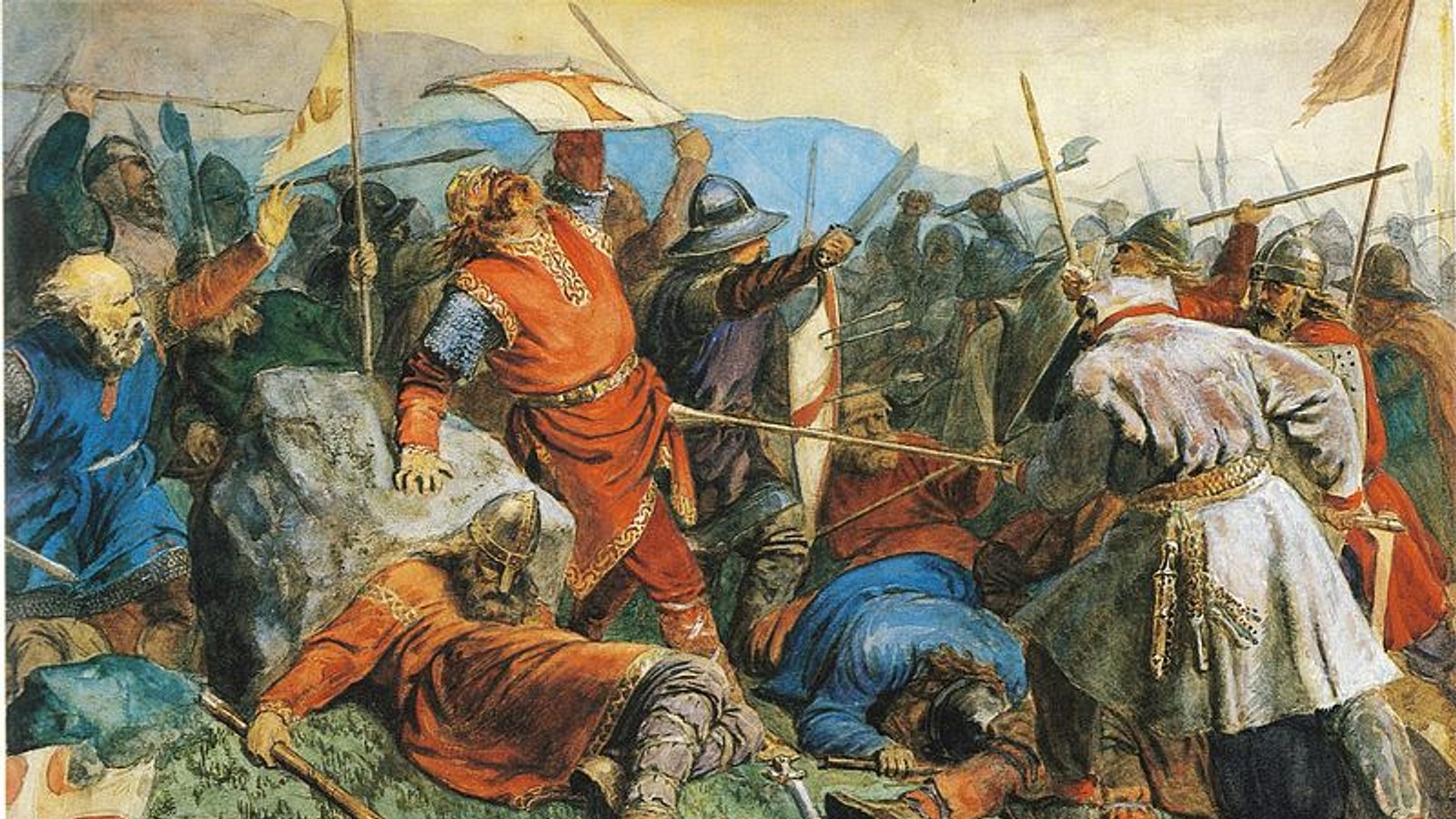
Vikings would often raid during April - September for calmer seas and longer daylight hours. They would raid for wealth, slaves, and land. They also often used fierce as a weapon and lead out war cries while wearing helmets and shields.

Planning & Preparation

Vikings would first plan their raids by selecting a target, usually vulnerable coastal towns, or trade routes that were poorly defended. They preferred places with wealth, such as gold, silver, and slaves. Then a crew of vikings called a drengur would be assembled, usually experienced in fighting and sailing.

Execution

Vikings would have raiding parties, usually consisting of several longboats that could contain around 40-100 warriors. Vikings would travel quickly and quietly to their target, often at night to maintain an element of surprise. They would move quickly once offshore, looting as much valuable items as possible, taking slaves and burning buildings. Vikings were also known for their fierce fighting skills and would often use axes, swords, and spears in battle. They moved quickly so local defences could not catch them.

Social Structure

Viking society had 3 levels, nobles, jarls, free people Karls and slaves or peasant thralls. Most Vikings lived by farming, taking care of animals and hunting and fishing, commonly in villages or in isolated farms. The whole household would live and work on the farm. They would also eat and sleep together. Bigger farms would include smaller sub-buildings for different use cases such as cooking and craftwork. It was later in the Viking age that towns were developed

Vikings were also separated into those who were free and those who were not free. A free Viking would be able to carry weapons and talk at the ‘Thing’. An unfree person would have no rights at all, according to a law from the early Middle Ages.

The Thing was a gathering held once a year where Vikings who were free would discuss political matters, make laws and issue punishments if laws were broken.

Bibliography